
Footage of an attack on a Philippine mayor’s convoy in January 2026 drew international attention after the targeted SUV drove away from an explosion.
On 25 January, attackers ambushed the convoy of Shariff Aguak Mayor Akmad Ampatuan. GMA News reported that CCTV footage showed an attacker firing a rocket-propelled grenade at the mayor’s SUV, which continued moving after the impact.
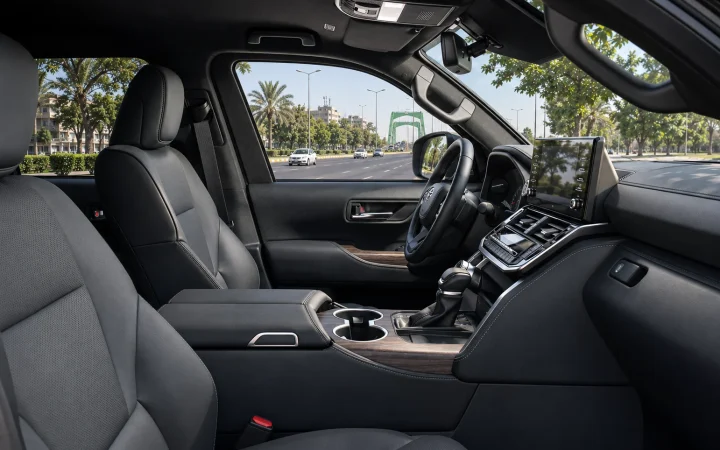
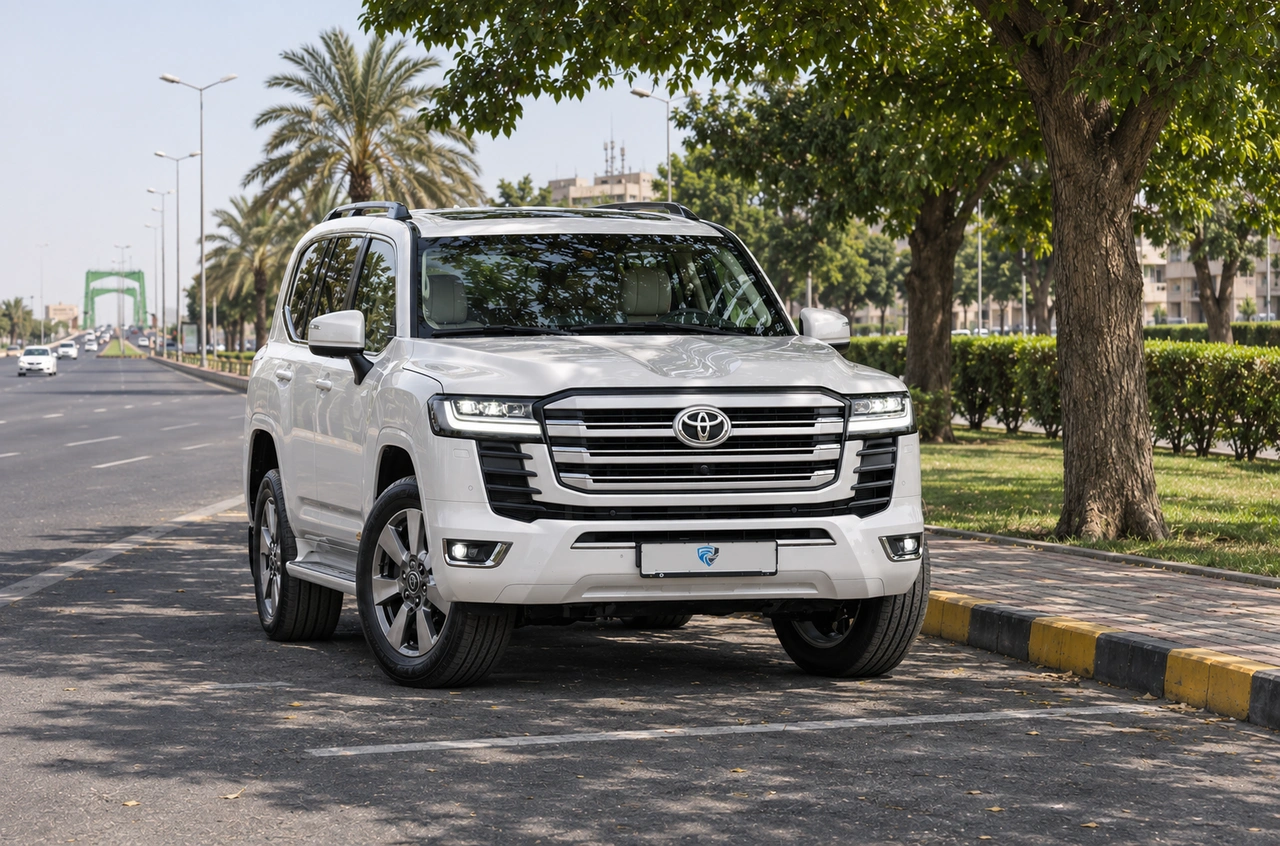
Police statements reported by SunStar identified the vehicle as an armored Toyota Land Cruiser and credited its protection with the mayor’s survival. Two members of his security detail were wounded.
For people considering Land Cruiser armoring in Iraq, the incident is a reason to examine protection specifications carefully. The outcome of one attack cannot establish what another vehicle will withstand.
What the Reports Tell Us—and What They Do Not
The available reports describe the attack, the vehicle’s movement afterward, and the injuries to security personnel.
They do not provide a complete technical specification for the Land Cruiser’s armor package. The cited reporting also does not establish its certification, detailed explosive-threat rating, or all the conditions that influenced the outcome.
Those missing details matter when interpreting the footage. It would be inaccurate to use the incident as proof that an ordinary civilian armoring package can resist an RPG attack.
Ballistic Protection and Blast Protection Are Different Requirements
The phrase “armored vehicle” can cover different protection configurations.
VPAM addresses bullet resistance through its BRV guideline and explosion resistance through its separate ERV guideline. A stated ballistic protection level therefore does not, by itself, establish the vehicle’s resistance to an explosive attack.
Owners should ask for a precise description of the threats covered by a proposal. Where blast resistance is required, the provider should explain the applicable assessment and supporting evidence separately.
This is especially important when an inquiry begins with a dramatic news video. The specification should follow an assessed requirement, rather than an assumption about what the footage demonstrates.
Assessing a Land Cruiser for Armoring in Iraq
A Land Cruiser armoring project should begin with the particular vehicle.
The model year, variant, existing condition, intended passenger load, and proposed protection package should all be reviewed before the work is defined.
Payload deserves particular attention. As an example of professional procurement requirements, a United Nations armored-vehicle specification identifies usable passenger payload, suspension upgrades, ballistic certification, and separately specified blast protection among its requirements. Those requirements are specific to that procurement, but they illustrate the detail needed to evaluate a complete vehicle configuration.
For a client-owned vehicle, ask what carrying capacity remains after conversion and which supporting modifications are proposed.
Driver Familiarity and Maintenance Also Matter
The vehicle’s continued movement was a prominent feature of the reported Philippine incident. It should encourage owners to discuss vehicle operation alongside the protection package.
BMW’s specialist training documentation explains that added armor weight changes vehicle handling and requires appropriate driver familiarity. Its programs address the use of protection vehicles under demanding conditions.
For your own project, ask about operating guidance, inspection intervals, maintenance requirements, and the suitability of the vehicle for its intended use. These discussions help the owner understand the responsibilities that come with an armored conversion.
Plan Your Land Cruiser Armoring Project in Baghdad
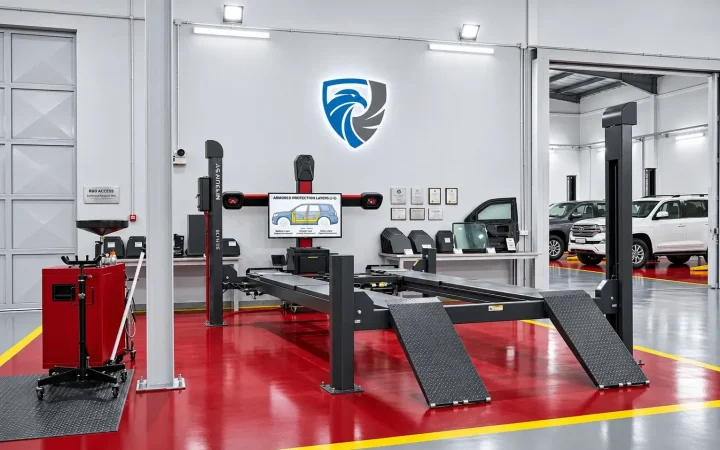
Secure Shield Factory provides vehicle-armoring services in Baghdad, Iraq, for client-owned vehicles.
Send your Land Cruiser’s model year, variant, condition, passenger requirements, and intended use to discuss project suitability and the proposed armoring scope.