
An armed attack in Colombia in October 2026 brought renewed attention to the role of armored SUVs in personal protection.
On 28 October, Indigenous leader Zarwawiko Torres was traveling near Valledupar when attackers opened fire on his vehicle. Local reporting said Torres and his companions escaped unharmed, crediting the vehicle’s armor and the response of his security personnel.
For vehicle owners researching armoring in Iraq, the incident raises useful questions: how should ballistic protection be assessed, what should buyers ask about protective glass, and which claims require supporting evidence?
What Was Reported About the Attack?
In an interview published by Radio Guatapurí on 29 October 2026, Cesar’s government secretary, Eduardo Esquivel López, said the armored vehicle had received four bullet impacts.
The report described an investigation and additional coordination between security authorities following the attack. Officials cautioned against attributing responsibility to a particular armed group while inquiries continued.
The cited reporting does not establish the vehicle’s certified protection level or provide a complete technical account of the ammunition and impact conditions. Its reported performance should therefore be discussed as the outcome of this incident, rather than used to promise the same result from every armored SUV.
Why Ballistic Glass Is Part of a Larger Protection System
When people inspect an armored vehicle, the windows often attract immediate attention. However, a meaningful assessment must also consider the surrounding structure.
VPAM’s vehicle-testing guideline includes glazed areas alongside doors, pillars, and other sections of the protective vehicle. This makes the relationship between components relevant: a window’s specification alone does not describe the protection of the entire passenger compartment.
For a proposed conversion, ask how the glass, surrounding armor, and vehicle structure are addressed together. The answer should be supported by a defined specification.
What Does “Certified Armor” Actually Cover?
Before accepting a certification claim, ask what was tested.
Does the documentation concern a material sample, a glazing product, or a complete vehicle configuration? Does it apply to the proposed model and installed protection package?
BMW’s documentation for its X5 Protection VR6 explicitly distinguishes complete-vehicle certification from testing materials alone. That distinction gives buyers a useful question to raise with any armoring provider: what does the evidence demonstrate about the finished vehicle?
Clear documentation helps owners compare proposals on their technical scope rather than broad marketing language.
Applying These Questions to SUV Armoring in Iraq
For an SUV owner in Baghdad, the next step is an assessment of their own vehicle and requirements.
Ask the provider to explain:
- The proposed ballistic standard and protection level.
- The scope of the protective glazing and body armor.
- The supporting test reports or certificates.
- The effect on passenger and luggage capacity.
- Any required changes to supporting vehicle systems.
- Inspection, servicing, and maintenance requirements.
The Colombia incident illustrates a reported protective outcome. Selecting a suitable conversion requires a separate review of the client’s vehicle and operating needs.
Discuss SUV Armoring With Secure Shield Factory
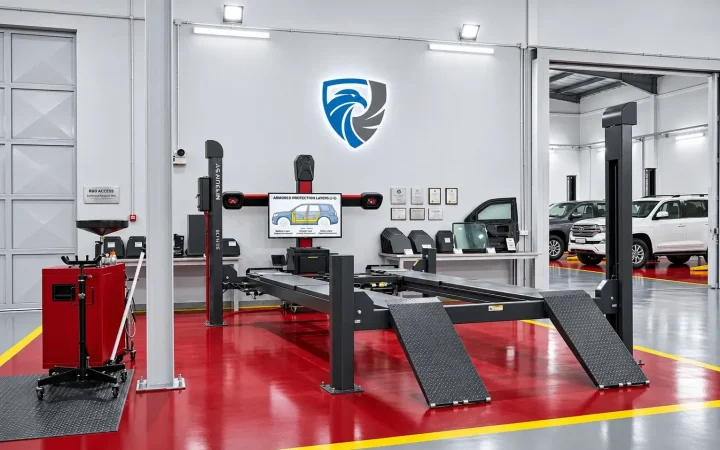
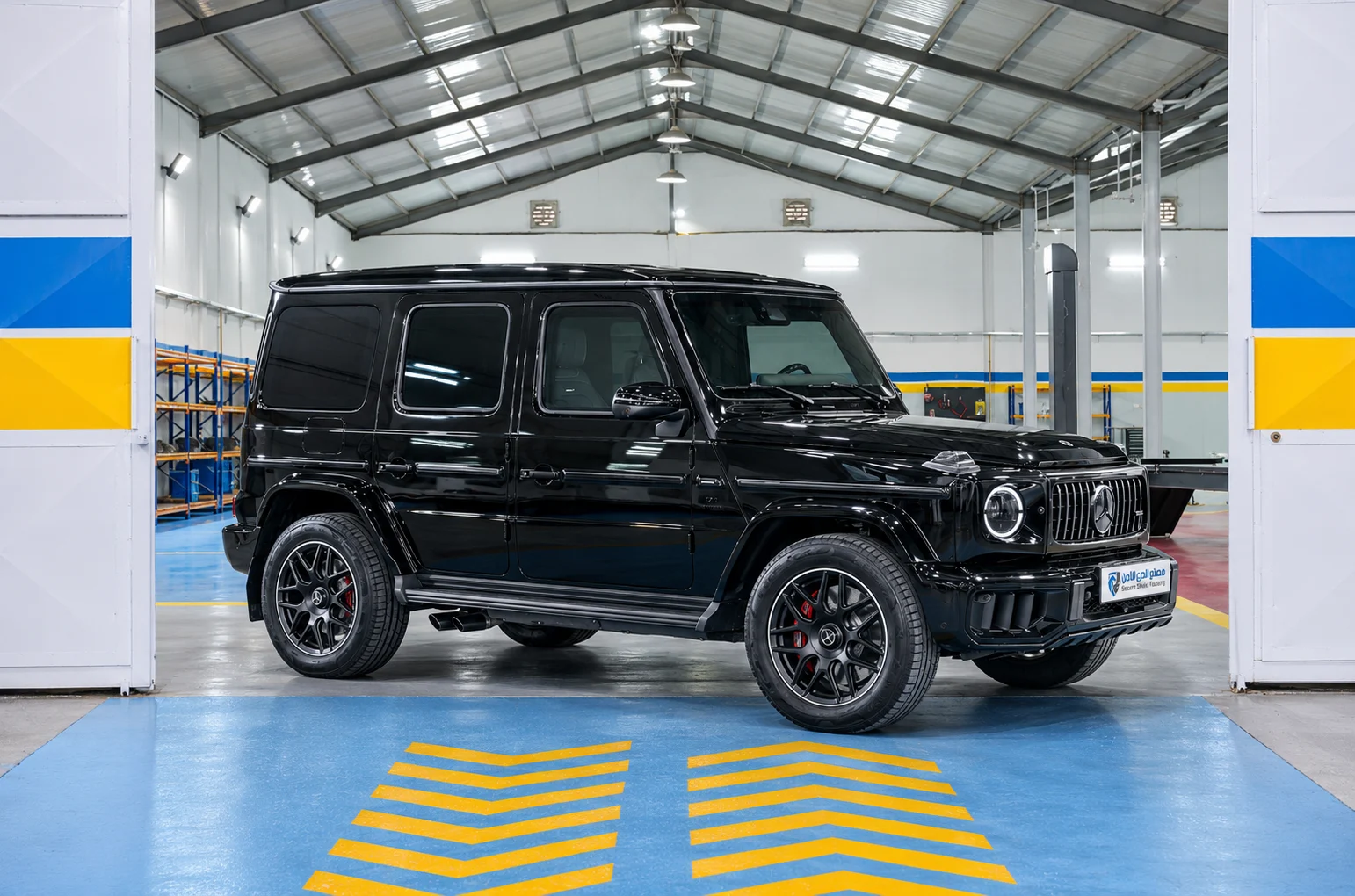
Secure Shield Factory provides vehicle-armoring services for client-owned vehicles in Baghdad, Iraq.
Share your SUV’s make, model, year, passenger requirements, and intended use to discuss the proposed protection scope and technical requirements.